Home › Blog › How to Choose the Best Personal Trainer in San Jose, CA
How to Choose the Best Personal Trainer in San Jose, CA
The best trainer in San Jose is not the most expensive one, or the one with the most followers. It is the one who listens, builds a program for you, and keeps you safe. Here is how to find that person.
Key Takeaways
- Start with your goal — then find a trainer who matches it
- Ask about certification, experience and insurance
- A good trainer asks questions before prescribing
- Try a session before committing to a block
- Comfort and trust matter as much as credentials
To choose the best personal trainer in San Jose, start with your goal — weight loss, strength, senior fitness, youth sports, or general health — then look for a trainer with experience in that area. Ask about their certification, their experience with clients like you, how they assess new clients, and how they track progress. Try a session before committing. The right trainer asks more questions than they answer, explains the why behind the program, and makes you feel comfortable from the first conversation.
Start With Your Goal
The best trainer for weight loss is not necessarily the best trainer for sports performance, and the best trainer for a teenager is not the best trainer for a senior. Before you look at any trainer, get clear on what you want: lose weight, get stronger, train for a sport, recover from an injury, or simply get healthier. Then look for a trainer whose experience matches that goal.
In San Jose, that matters more than in most cities, because the client base is so varied. The city has tech workers who sit all day, families with teenagers in club sports, seniors who have lived in Willow Glen for decades, and students at SJSU. A trainer who works mostly with athletes may not be the right fit for a senior, and a trainer who works mostly with seniors may not be the right fit for an athlete. Ask what kinds of clients the trainer works with most — that tells you more than any certificate.
The Questions to Ask
Ask about certification: which organization, and what specializations. Ask how long they have been training, and what kinds of clients they work with. Ask how they assess a new client — a good trainer watches you move before writing a program. Ask how progress is tracked, and what happens when you miss a session or when something hurts.
Ask about insurance and safety. A professional trainer carries liability insurance. Ask how they handle pain or injury, and when they refer a client to a doctor or physical therapist. A trainer who knows their limits and says so is a better trainer than one who claims to handle everything.
Signs of a Good Trainer
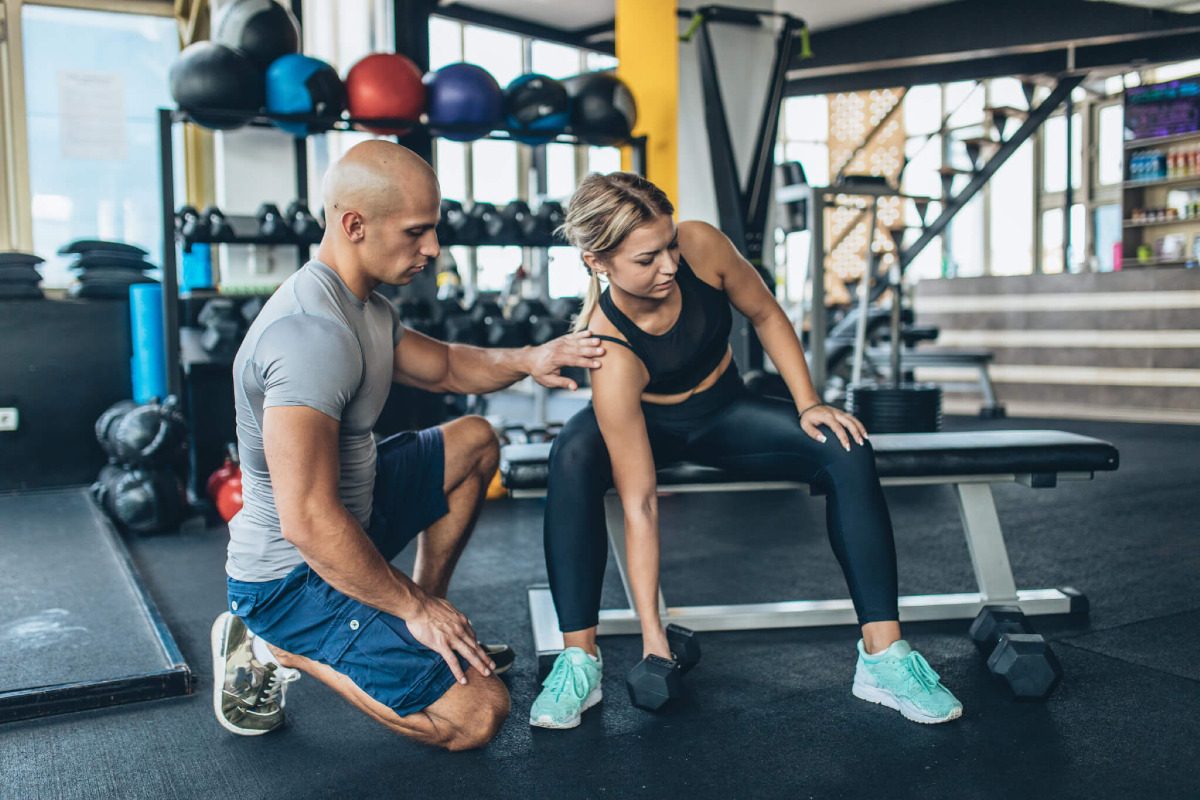
A good trainer listens more than they talk. They ask about your goals, your history, your schedule and your injuries — and they remember the answers. They explain why they are doing what they are doing. They watch your form on every set and correct it. They adjust the program when you are tired, sore or busy, instead of pushing the same workout regardless.
A good trainer also tracks progress. Strength, measurements, energy, sleep — something is recorded, so you can see that the training is working. And a good trainer is honest about what they can and cannot do. If your goal needs a physical therapist, a dietitian or a doctor, they should say so.
Red Flags to Avoid
Be cautious of a trainer who promises fast results, who pushes a single diet or a supplement package, or who talks about themselves more than about you. Be cautious of a trainer who does not ask about your medical history, who pushes through pain, or who gives every client the same program. And be cautious of a trainer who pressures you to buy a large block of sessions before you have tried one.
The biggest red flag is discomfort. If you do not feel comfortable with a trainer in the first conversation, trust that feeling. Training is personal — you are trusting someone with your body. The right trainer is one you feel comfortable with, and that comfort is not a luxury. It is a requirement.
Choosing a Trainer: Checklist
| What to check | Good sign | Warning sign |
|---|---|---|
| Certification | Recognized body, relevant specialization | Vague about certification |
| Assessment | Watches you move before programming | Same program for everyone |
| Communication | Listens, explains, asks questions | Talks about themselves |
| Safety | Asks about injuries, carries insurance | Pushes through pain |
| Progress | Tracks strength, measurements, energy | No tracking at all |
| Honesty | Refers out when needed | Promises fast results |
Related Training Services
Weight Loss Personal Training
Losing weight is rarely about one workout. It is about a plan you can keep: training that fits your body, eating habits that fit your life, and someone checking in on both.
Learn more →Female Personal Trainer
Some women train best with a woman. A female personal trainer in San Jose offers coaching that understands women's bodies, women's schedules and women's goals — in a space where you are comfortable.
Learn more →Training Near You
We offer personal training in Willow Glen and across San Jose and Silicon Valley. See all areas we serve or explore our personal training services.
Frequently Asked Questions
What should I look for in a personal trainer in San Jose?
Start with your goal, then look for a trainer with experience in that area. Ask about certification from a recognized organization, how long they have been training, and what kinds of clients they work with. Ask how they assess new clients and track progress. And try a session before committing — the right trainer makes you feel comfortable from the first conversation.
How do I know if a personal trainer is good?
A good trainer listens more than they talk, asks about your goals and history, watches your form on every set, and adjusts the program when you are tired or busy. They track progress so you can see it working, and they are honest about what they can and cannot do. The best test is a trial session: do they ask questions, explain the why, and correct your form?
Should I try a session before hiring a trainer?
Yes. Most good trainers offer a first session or consultation, and it is the best way to judge the fit. Pay attention to how the trainer listens, whether they ask about your goals and history, and whether you feel comfortable. If the first session feels rushed, generic or uncomfortable, keep looking.
What questions should I ask a personal trainer?
Ask about certification and experience, how they assess new clients, how they track progress, what happens when you miss a session, and how they handle pain or injury. Ask whether they carry liability insurance. And ask what kinds of clients they work with most — that tells you whether their experience matches your goal.
What are red flags when choosing a personal trainer?
Promises of fast results, a single diet or supplement package pushed on everyone, no questions about your medical history, pushing through pain, the same program for every client, and pressure to buy a large block of sessions before trying one. The biggest red flag is discomfort — if you do not feel comfortable with a trainer, trust that feeling.
Does the most expensive trainer in San Jose mean the best?
No. The most expensive trainer is not necessarily the best, and the cheapest is not necessarily the worst. What matters is the fit: does the trainer's experience match your goal, do they listen, do they track progress, and do you feel comfortable with them. The right trainer is the one who gets you results safely and keeps you coming back — at a rate you can sustain.